

The Best Dog Training Services for Your Furry Friend
Positive Pup dog training is a modern and humane approach to teaching dog’s new behaviours and skills. This training method is based on the principles of positive reinforcement, which means that good behaviour is rewarded with treats, toys, or praise, while unwanted behaviour is ignored or redirected.
Positive Pup dog training is a fun and positive way to teach dogs new skills and behaviours, and it helps strengthen the bond between the dog and their owner. By using positive reinforcement techniques, dogs learn that good behaviour is rewarded, and they are more likely to repeat it in the future.
Positive Pup dog training is a way of teaching dog’s new behaviours and skills using positive reinforcement techniques.
Our puppy training classes are available in Horndean, Waterlooville and across Hampshire.
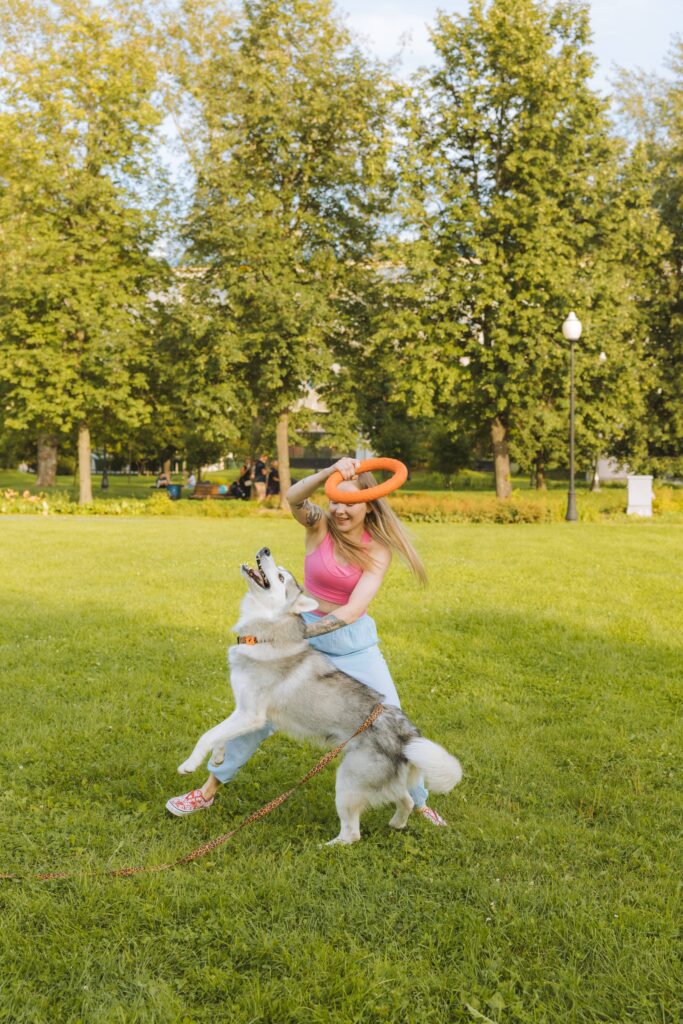
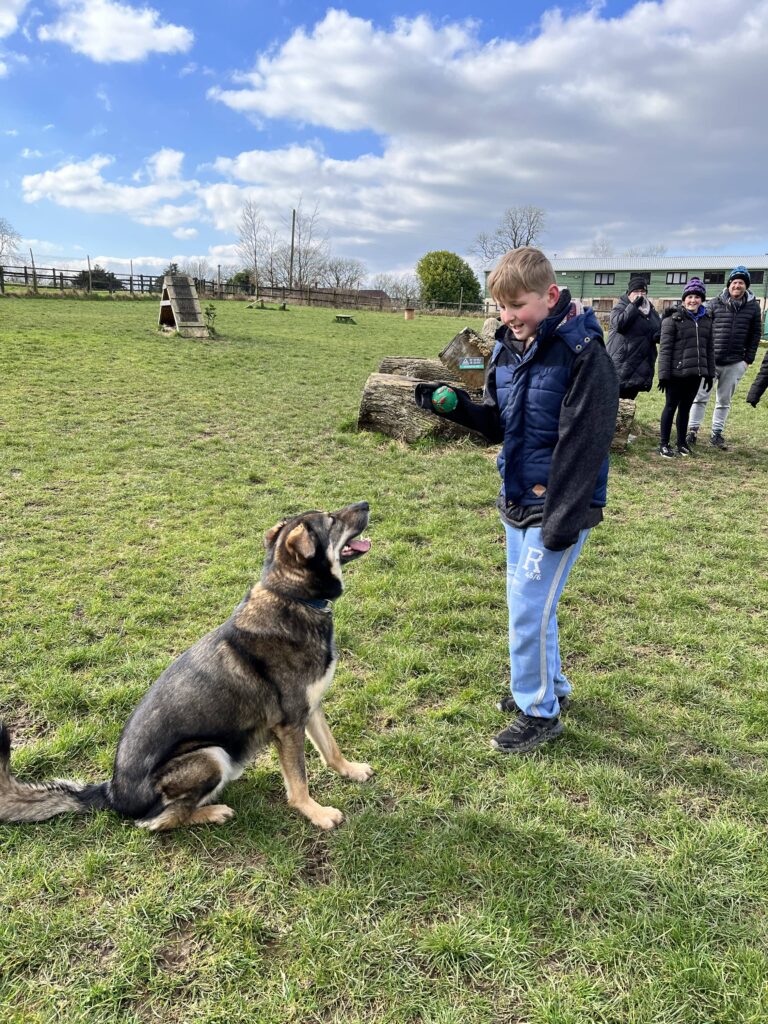



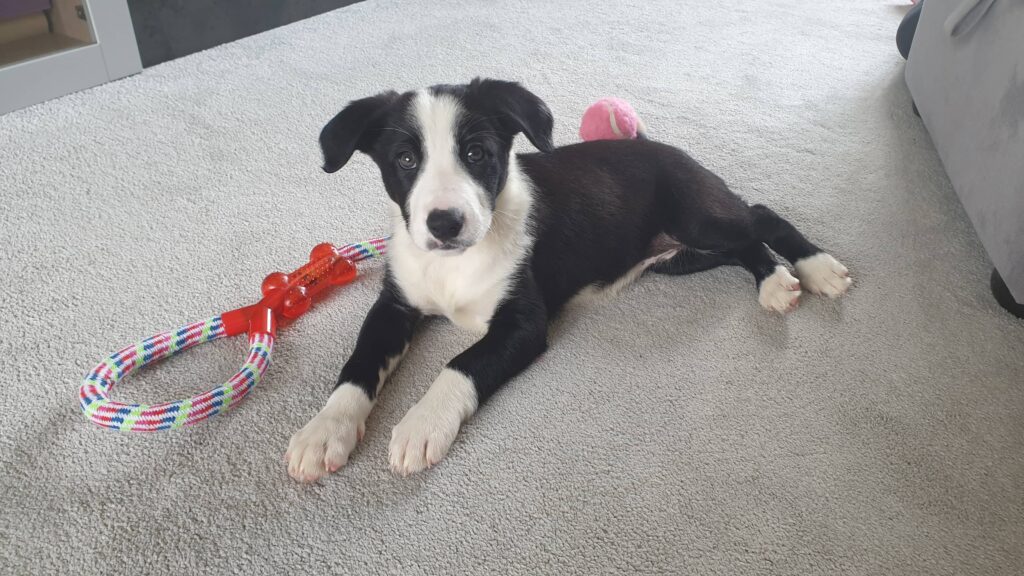



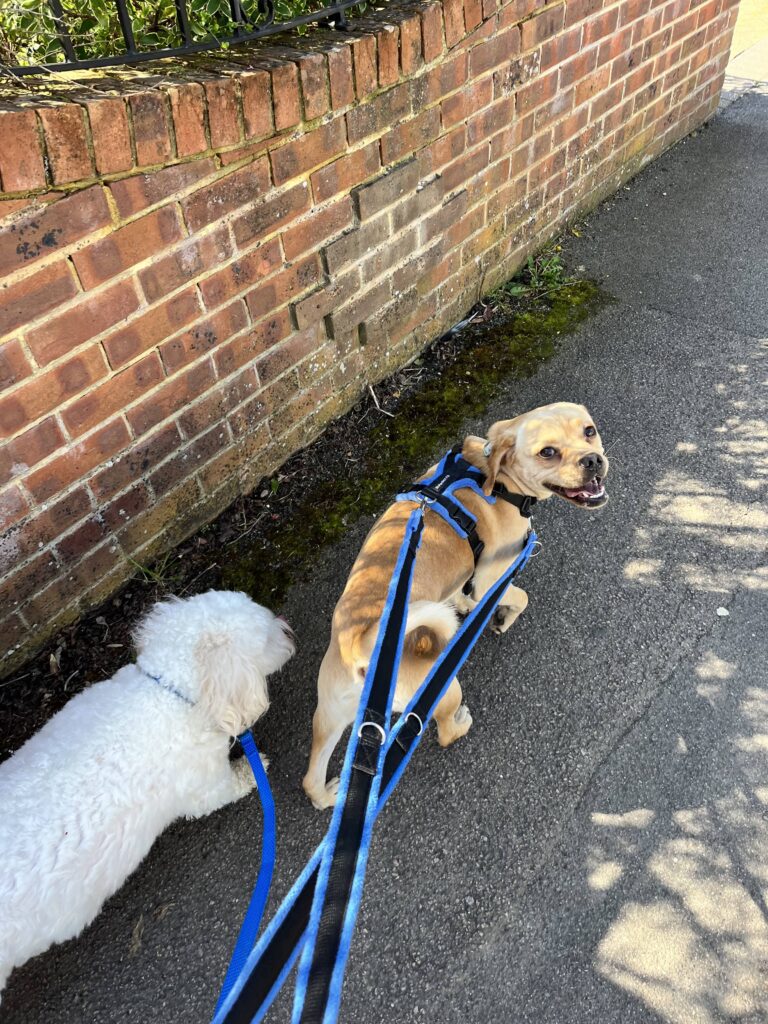
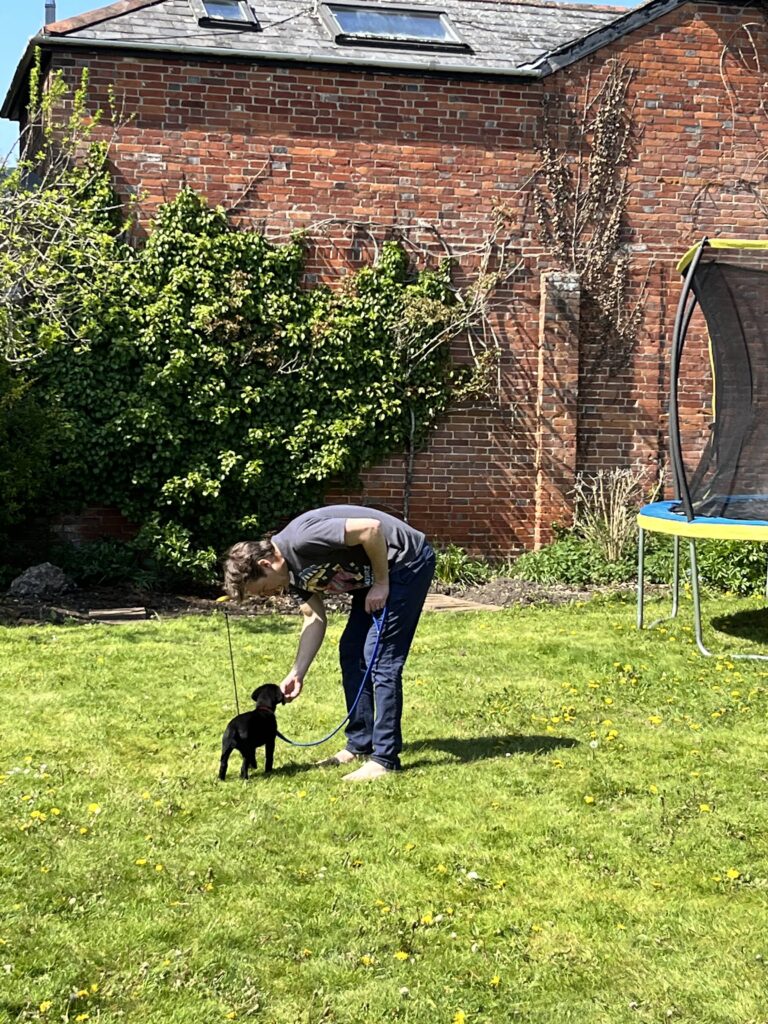
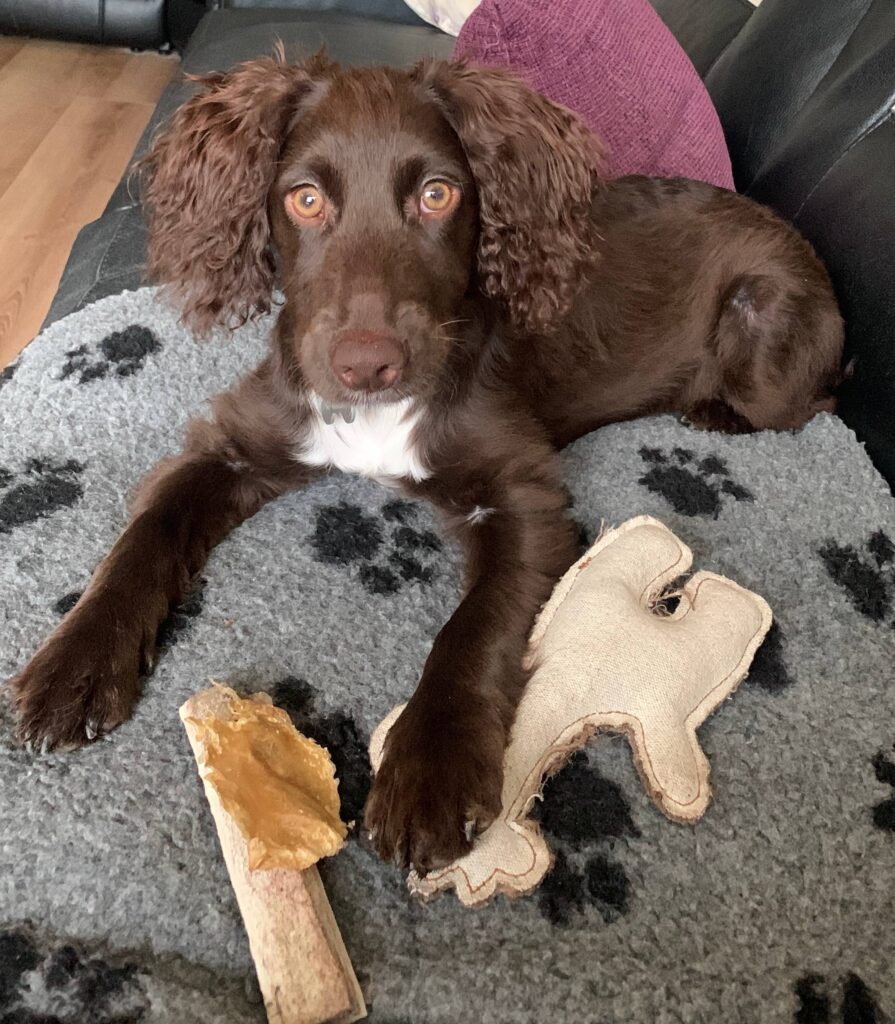




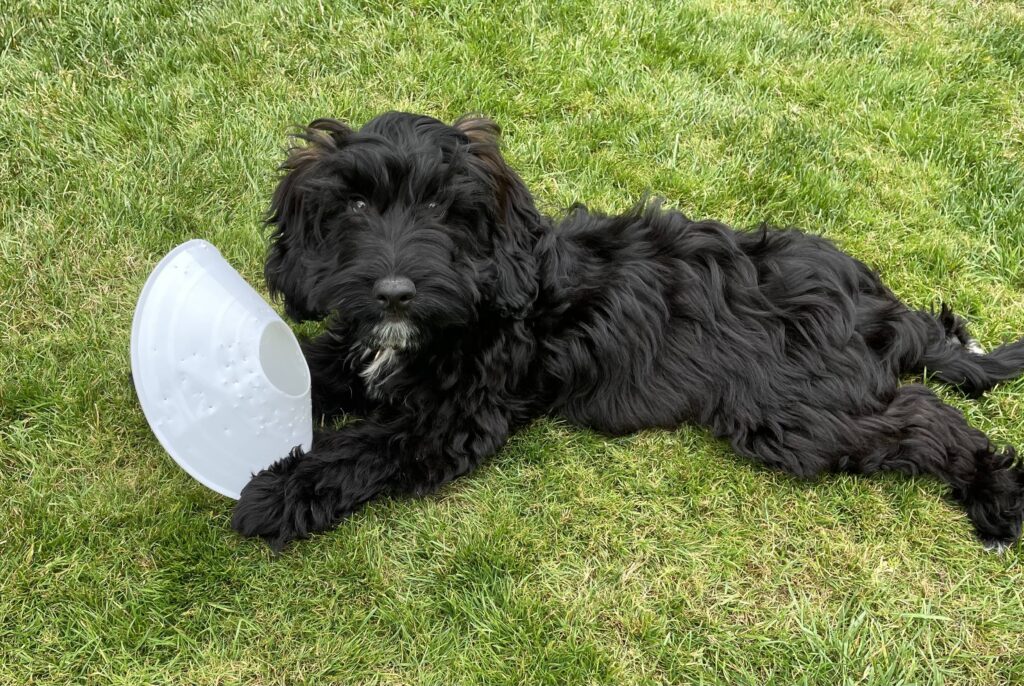
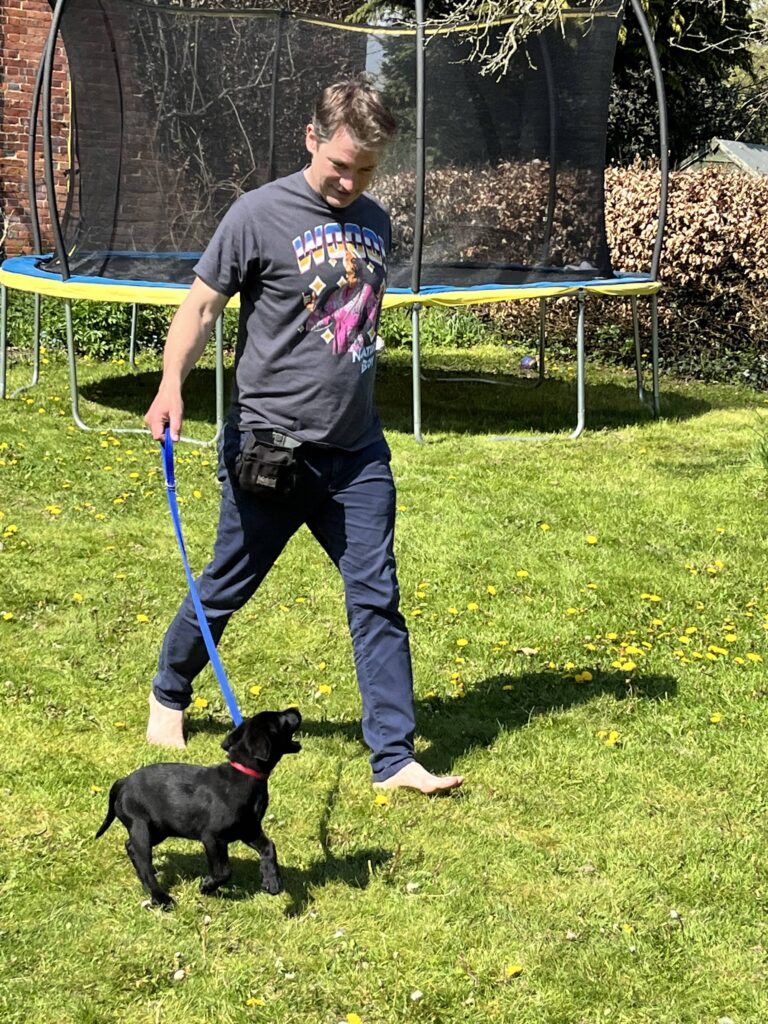



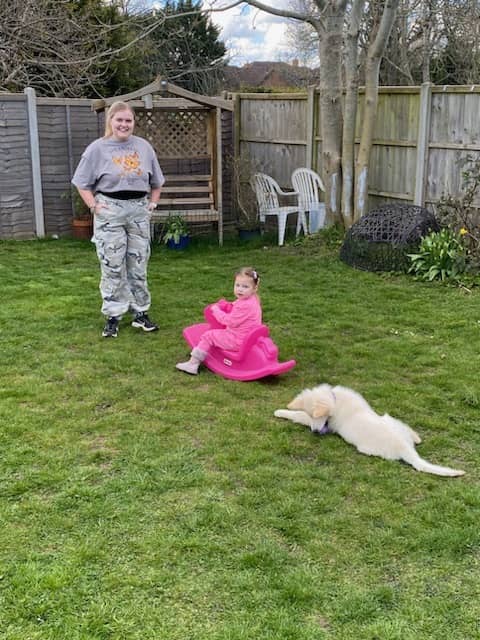

Service Includes:
Basic foundation skills required for all puppies and dogs with little or no training.
Key points of what’s included here:
- Includes socialisation and habituation
- Includes loose lead work
- Includes manners
- Includes settle, play and much more….
Understanding Positive Pup Training
What is Positive Pup Dog Training?
Positive Pup Dog Training is based on the principles of positive reinforcement training, which have been developed over many years by animal behaviourists and trainers.
Positive reinforcement training was popularised in the 1960s by behaviourist B.F. Skinner, who showed that animals learn more effectively through positive reinforcement than through punishment. Since then, positive reinforcement training has become widely accepted as an effective and humane way to train dogs and other animals.
Positive Pup Principles
Positive puppy training principles are based on positive reinforcement, which involves rewarding desired behaviour instead of punishing undesired behaviour. Positive reinforcement training uses a reward such as treats, praise, or toys for desired behaviours, making dogs more likely to repeat the behaviour and shaping or changing their behaviour. This approach is based on the science of operant conditioning, which focuses on adding positive reinforcement to increase the likelihood of behaviour being repeated.
Clear communication is also important in positive puppy training. The more an owner understands about how their dog thinks and learns, the more effectively they can communicate, leading to successful training and good behaviour without the need for coercion or physical corrections.
Adopting a positive attitude and energy in dog training can lead to numerous long-term benefits, including improved behaviour as dogs are more likely to respond to cues and expectations. Positive training is the only way to develop a common language based on mutual trust, respect, and love, which guides dogs into making the right choices without damaging the relationship between human and dog.
The Benefits of Positive Pup Dog Training
Positive Pup dog training offers numerous benefits for both dogs and their owners. Here are some of the key benefits of positive pup-dog training:
- Builds a strong bond between the dog and their owner: Positive pup training is based on positive reinforcement techniques that focus on rewarding good behaviour. This creates a positive and loving relationship between the dog and their owner.
- Increases the likelihood of good behaviour: Positive pup training helps to reinforce good behaviour and increase the likelihood of the dog repeating that behaviour in the future.
- Encourages socialisation: Positive pup training encourages socialisation with other dogs and people, which helps to reduce fear and reactivity.
- Improves communication: Positive pup training helps owners to better communicate with their dogs, which can lead to better behaviour and confidence.
- Creates a happy and confident dog: Positive pup training helps to build a happy and confident dog that is eager to learn.
- Reduces stress and anxiety: Positive pup training is a gentle and non-threatening way to train dogs, which can help to reduce stress and anxiety.
- Provides mental stimulation: Positive pup training provides mental stimulation for dogs, which can help to prevent boredom and destructive behaviour.
- Helps to address behaviour problems: Positive pup training can help to address behaviour problems such as jumping, barking, and chewing.
Positive pup training is a great way to build a happy, healthy, and well-behaved dog that feels safe in their environment.
Positive Pup Techniques and Tools
Positive pup dog training techniques and tools are based on positive reinforcement. Here are some of the most common techniques and tools used in positive pup dog training:
- Reward-based training: Positive pup training focuses on rewarding desired behaviours with treats, toys, or praise. This encourages dogs to repeat the behaviour in the future.
- Clicker training: Clicker training is a form of positive pup training that uses a clicker to mark desired behaviours. The clicker is paired with a reward, such as a treat, to reinforce the behaviour.
- Luring: Luring involves using a treat to guide the dog into the desired position or behaviour. The treat is gradually phased out as the behaviour becomes more consistent.
- Shaping: Shaping involves breaking down a complex behaviour into smaller steps and rewarding each step until the behaviour is complete.
- Target training: Target training involves teaching the dog to touch a specific object, such as a target stick or your hand, with their nose or paw. This can be used to teach a variety of behaviours.
- Treat pouches: Treat pouches are a handy tool for positive pup training, as they allow owners to keep treats easily accessible during training sessions.
- Interactive toys: Interactive toys, such as puzzle feeders, provide mental stimulation and can be used as rewards during training sessions.
So, to summarise, positive pup dog training techniques and tools are designed to be gentle, fun, and effective, helping to build a strong bond between the dog and their owner while reinforcing good behaviour.
Implementing Positive Pup Training at Home
Implementing positive pup training at home is a great way to build a happy, healthy, and well-behaved dog. Here are some tips for implementing positive pup training at home:
- Start with the basics: Begin with basic commands such as “sit,” “stay,” and “come.” Use positive reinforcement techniques such as treats and praise to reward desired behaviours.
- Use a consistent approach: Consistency is key when it comes to positive pup training. Use the same commands and rewards every time, and make sure everyone in the household is on the same page.
- Keep training sessions short and frequent: Dogs have short attention spans, so keep training sessions short and frequent. Aim for 5–10-minute sessions several times a day.
- Be patient and positive: Positive pup training takes time and patience. Avoid getting frustrated or angry, and always use positive reinforcement techniques.
- Gradually increase difficulty: Once your dog has mastered the basics, gradually increase the difficulty of the commands and behaviours you are teaching. This will keep your dog challenged and engaged.
- Use a variety of rewards: Mix up the rewards you use during training sessions. Use treats, toys, and praise to keep your dog motivated and engaged.
- Seek professional help if needed: If you are having difficulty with a particular behaviour or command, don’t hesitate to seek professional help from a positive pup dog trainer.
In short, implementing positive pup training at home requires patience, consistency, and a positive attitude. With time and practice, you can build a happy, healthy, and well-behaved dog that is a joy to be around.
Applying Positive Pup Training in professional Dog Training?
Most professional dog trainers who apply the Positive Pup Training methods explained here will use a variety of techniques to reinforce positive behaviour in your dogs.
These techniques may include:
- Clicker Training: This is a technique where a clicker is used to mark the desired behaviour of a dog. The dog is then rewarded with a treat or praise.
- Treat Training: This is a technique where treats are used to reward a dog for good behaviour. The dog is taught to associate the behaviour with the reward.
- Positive Reinforcement: This is a technique where a dog is rewarded for good behaviour with praise, petting, or a toy.
- Luring: This is a technique where a treat or toy is used to lure a dog into the desired position or behaviour.
- Shaping: This is a technique where a dog is gradually trained to perform a behaviour by breaking it down into smaller steps and rewarding each step.
Most professional dog trainers who use Positive Pup Training will focus on rewarding good behaviour, rather than punishing bad behaviour. They will also use positive reinforcement techniques to build a strong bond between the dog and trainer.
Positive Pup Training as an Adjunct Therapy
Using Positive Pup training alongside other training methods?
Positive Pup Training can be used alongside other training methods. In fact, many professional dog trainers use a combination of training methods to achieve the desired results.
Overall, Positive Pup Training can be a valuable tool in a trainer’s toolkit, but it may not be suitable for all situations. It is important to assess each situation individually and use the appropriate training methods to achieve the desired results.
Embracing the Power of Positive Pup Training
Embracing the power of Positive Pup Training can have many benefits for both dogs and their owners. Positive reinforcement techniques used in Positive Pup Training can help to build a strong bond between dogs and their owners, as well as improve their behaviour and overall well-being.
Some of the benefits of Positive Pup Training include:
- Improved Behavior: Positive reinforcement techniques used in Positive Pup Training can help to reinforce good behaviour in dogs, such as sitting, staying, and recall. This can lead to improved behaviour overall and make it easier to train dogs in the future.
- Stronger Bond: Positive Pup Training can help to build a strong bond between dogs and their owners. When dogs are rewarded for good behaviour, they learn to trust their owners, which can lead to a stronger bond overall.
- Reduced Stress: Positive reinforcement techniques used in Positive Pup Training can help to reduce stress and anxiety in dogs. By focusing on positive behaviour, dogs are less likely to experience stress and anxiety, which can lead to improved overall well-being.
- Improved Communication: Positive Pup Training can help to improve communication between dogs and their owners. When dogs are trained using positive reinforcement techniques, they learn to associate certain behaviours with rewards, which can make it easier to communicate with them in the future.
So, embracing the power of Positive Pup Training can have many benefits for both dogs and their owners. By focusing on positive reinforcement techniques, owners can improve their dog’s behaviour, build a stronger bond, reduce stress, and improve communication.