

For a Happy and Well-Behaved Pup.
Recall dog training is the process of teaching a dog to come to you when called, even in distracting or dangerous situations. This is a crucial skill for all dogs to learn, as it can help keep them safe and prevent them from getting into trouble.
The training involves teaching the dog to associate the recall cue with positive rewards, such as treats , play or praise, and practicing the cue in various environments and situations to ensure that the dog responds reliably.
There are several methods and techniques for recall dog training, including positive reinforcement, use of games, and equipment such as long lines.
Understanding Recall Work Training
What is Recall Work Dog Training?
Recall training is one of the most important skills you can teach your dog. Not only does it keep your dog safe, but it also gives you peace of mind when you’re out in public or in unfamiliar surroundings.
Recall work dog training is a type of dog training that teaches a dog to come to its owner when called. This skill is essential for any dog owner as it can keep the dog safe in various situations.
Recall training involves teaching the dog a distinct cue, such as “come,” and gradually increasing the level of distractions while practicing the cue. Positive reinforcement is key in this training, and it is important to never punish the dog for not responding to the command.
The origins of Recall Work Dog Training
The origins of recall work dog training are not clear, but the practice has been used for centuries. It is likely that humans have been training dogs to come when called since dogs were first domesticated.
Historically, dogs were trained for hunting and other tasks, and recall training was an important part of their training. Today, recall training is still an essential part of dog training, as it helps keep dogs safe and under control in various situations.
Recall Work Principles
Recall dog training work principles are based on positive reinforcement and consistency.
Here are the main principles of recall dog training:
- Start in a quiet environment: Start training your dog in a quiet environment with no distractions. This could be in your house or in a fenced-in backyard.
- Use positive reinforcement: Positive reinforcement is key when training your dog. Use treats, praise, and affection to reward your dog when they come to you.
- Use a distinct cue: Choose a distinct cue that you will use every time you want your dog to come to you. “Come” is a common cue, but you can choose any word or phrase you like. Just make sure it’s consistent.
- Practice, practice, practice: Practice recall training every day, gradually increasing the level of distractions. Start with a quiet environment and gradually move to more challenging environments, such as a park or busy street.
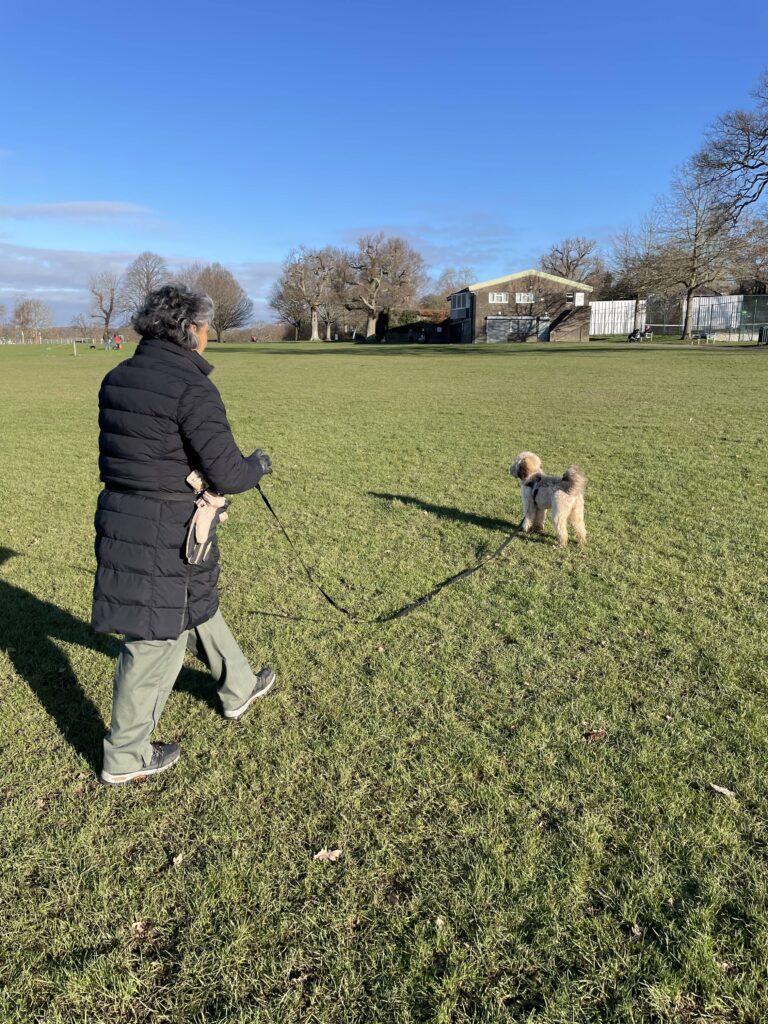
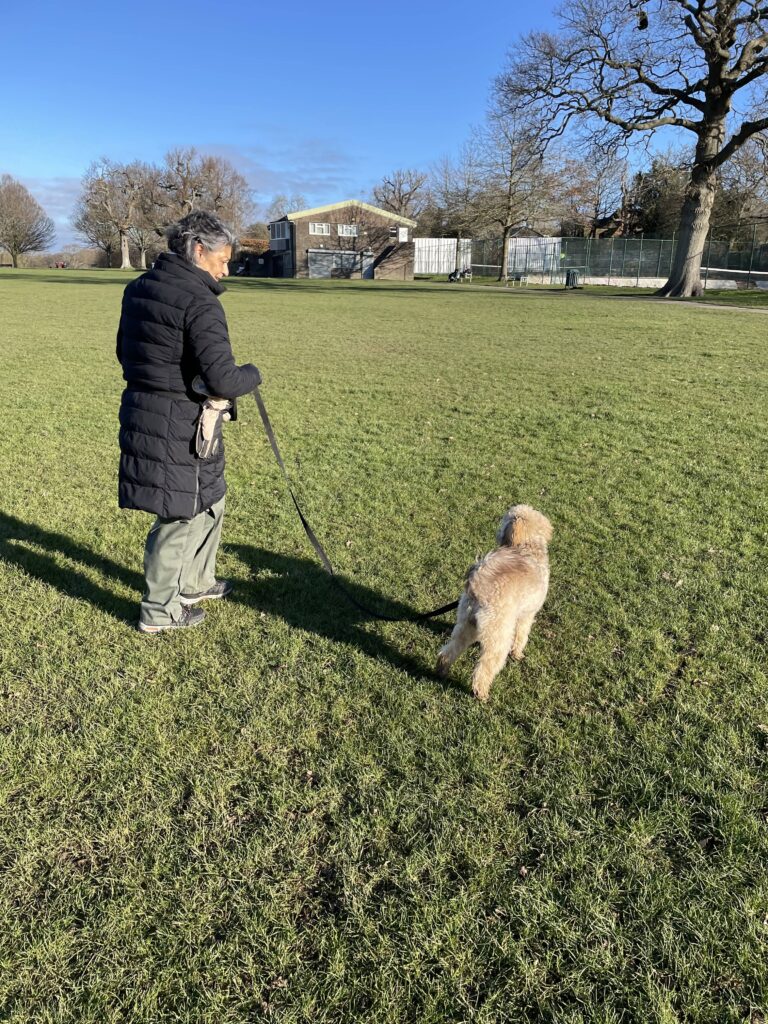
- Use a long leash: When practicing recall training in an open area, use a long leash so you can control your dog’s movements. This will give your dog more freedom to explore while keeping them safe.
- Be patient: Recall training takes time and patience. Don’t expect your dog to learn this skill overnight. Keep practicing and rewarding your dog for their progress.
By following these basic principles, you can effectively train your dog to come when called and keep them safe in any situation.
The Benefits of Recall Work Dog Training
Recall work dog training has several benefits for both dogs and their owners.
Here are some of the benefits of recall work dog training:
- Safety: Recall training can keep dogs safe in various situations, such as when they are off-leash or in unfamiliar surroundings.
- Control: Recall training gives owners more control over their dogs, which can help prevent unwanted behaviour and ensure that dogs follow cues.
- Bonding: Recall training can strengthen the bond between dogs and their owners, as it involves positive reinforcement and rewards.
- Mental stimulation: Recall training can provide mental stimulation for dogs, which can improve their overall well-being.
- Exercise: Recall training can also provide exercise for dogs, especially if it involves practicing in open areas such as parks.
By training your dogs to come when called, owners can ensure that their dogs are safe, well-behaved, and happy.
Recall Work Techniques and Tools
There are various recall work techniques and tools that can be used to train dogs to come when called.
Here are some of the most common techniques and tools:
- Positive reinforcement: This is the most common technique used in recall training. It involves rewarding the dog with treats, praise, toys and affection when they come to you after being called.
- Clicker training: Clicker training is a form of positive reinforcement that uses a clicker to mark the behaviour that you want the dog to repeat. When the dog performs the desired behaviour, you click the clicker and reward the dog.
- Long leash: Using a long leash can help you control your dog’s movements while practicing recall training in open areas. It gives your dog more freedom to explore while still keeping them safe.
- Treat pouch: A treat pouch can be used to hold treats that you can use to reward your dog during recall training.
- Whistle: A whistle can be used as a distinct sound to signal to your dog that they need to come to you.
It’s important to note that some tools, such as shock collars, are not recommended and will soon become banned in the UK from 1st February 2024, this includes for recall training as they can cause harm to the dog and damage the trust between the dog and owner.
We have always said:
“Positive reinforcement techniques are the most effective and humane way to train dogs to come when called.”
Implementing Recall Work Training at Home
Implementing recall work training at home is a great way to train your dog to come when called.
Here are some steps you can follow to implement recall work training at home:
- Choose a distinct command: Choose a distinct cue, but you can choose any word or phrase you like. Just make sure it’s consistent.
- Start with a quiet environment: Start training your dog in a quiet environment with no distractions. This could be in your house or in a fenced-in backyard.
- Use positive reinforcement: Positive reinforcement is key when training your dog. Use treats, praise, toys and affection to reward your dog when they come to you.
- Practice, practice, practice: Practice recall training every day, gradually increasing the level of distractions. Start with a quiet environment and gradually move to more challenging environments, such as a park or busy street.
- Use a long leash: When practicing recall training in an open area, use a long leash so you can control your dog’s movements. This will give your dog more freedom to explore while keeping them safe. ( NOT A FLEXI LEAD)
- Be patient: Recall training takes time and patience. Don’t expect your dog to learn this skill overnight. Keep practicing and rewarding your dog for their progress.
- Avoid punishment: Never punish your dog for not coming when called. This can damage the trust between you and your dog and make them less likely to come when called in the future.
By following these steps, you can effectively train your dog to come when called and strengthen the bond between you and your furry friend.
Applying Recall Work Training in professional Dog Training?
Recall work training is an essential part of professional dog training. Professional dog trainers often use recall work training to teach dogs to come when called, which is a critical skill for any dog to have.
Here are some ways professional dog trainers apply recall work training:
- Positive reinforcement: Professional dog trainers use positive reinforcement techniques to train dogs to come when called. This involves rewarding dogs with treats, praise, and affection when they come to the trainer after being called.
- Repetition: Professional dog trainers repeat recall training exercises multiple times to reinforce the behaviour in dogs. They gradually increase the level of distractions to make sure that the dogs can come when called, even in challenging environments.
- Leash work: Professional dog trainers use long leashes to help train dogs to come when called in open areas. This gives dogs more freedom to explore while keeping them safe.
- Distraction training: Professional dog trainers use distraction training to teach dogs to come when called, even in the presence of distractions such as other dogs or people.
- Consistency: Professional dog trainers are consistent in their approach to recall training. They use the same cue every time they want the dog to come to them, and they reward the dog every time they come when called.
By applying recall work training in professional dog training, trainers can ensure that dogs have a reliable recall and are safe and well-behaved in any environment.
Recall Work Training as an Adjunct Therapy
Using Recall Work training alongside other training methods?
Recall work training can be used alongside other training methods to help improve a dog’s behaviour.
Here are some ways recall work training can be used in conjunction with other training methods:
- Positive reinforcement: Recall work training and positive reinforcement training methods go hand in hand. Positive reinforcement is a powerful tool for training dogs and can be used to reinforce other training methods. For example, if you’re using obedience training to teach your dog to sit, you can use recall work training and positive reinforcement to reward your dog when they come to you after being called.
- Leash training: Recall work training can be used in conjunction with leash training to teach dogs to walk calmly on a leash. If your dog pulls on the leash, you can use the recall cue to bring them back to you and reward them for walking calmly.
- Clicker training: Clicker training can be used alongside recall work training to reinforce the behaviour you want your dog to repeat. For example, if you’re teaching your dog to come when called, you can use a clicker to mark the behaviour you want them to repeat and then reward them with treats.
- Distraction training: Recall work training can be used in conjunction with distraction training to teach dogs to come when called, even in the presence of distractions. For example, if your dog is easily distracted by other dogs, you can use recall work training to teach them to come to you when called, even when other dogs are around.
By using recall work training alongside other training methods, you can reinforce positive behaviour in your dog and improve their overall behaviour and obedience.
Embracing the Power of Recall Work Training
Recall work training is a powerful tool for dog owners and trainers. It is an essential skill that can help keep your dog safe and well-behaved in any environment.
Here are some reasons why embracing the power of recall work training is important:
- Safety: Recall work training can help keep your dog safe. If your dog is off their leash in an open area or running towards a dangerous situation, you can use the recall command to bring them back to you and keep them safe.
- Better behaviour: Recall work training can help improve your dog’s overall behaviour. When your dog learns to come when called, they are more likely to listen to other commands and be well-behaved in general.
- Strengthening the bond: Recall work training can help strengthen the bond between you and your dog. When you train your dog to come when called, you are building trust and communication between you and your furry friend.
- More freedom: Recall work training can give your dog more freedom to explore their environment. When your dog has a reliable recall, you can let them off-leash in open areas and give them more freedom to play and explore.
- Easier training: Recall work training can make other training easier. When your dog has a reliable recall, they are more likely to listen to other commands and be easier to train in general.
By embracing the power of recall work training, you can help keep your dog safe, improve their behaviour, strengthen your bond, and give them more freedom to explore their environment.