

Help Your Dog Overcome Fear and Aggression
Reactivity dog training is a highly effective technique that can help dogs overcome their fear and anxiety and learn to respond positively to triggers. By using positive reinforcement, counterconditioning, desensitisation, and management, dogs can become calm and happy companions. With patience, consistency, and professional guidance, reactivity dog training can help your dog overcome their reactive behaviour and enjoy a more relaxed and fulfilling life.
Understanding Reactivity in Dogs
Reactivity in dogs can be caused by various factors, such as genetics, lack of socialisation, over socialisation ,past trauma, or medical conditions. Common triggers for reactive behaviour include other dogs, strangers, loud noises, and unfamiliar environments.
Reactive dogs can be challenging to handle, and their behaviour can lead to negative consequences such as injuries, legal issues, or social isolation. Therefore, it is essential to address the problem as early as possible and seek professional help if needed.

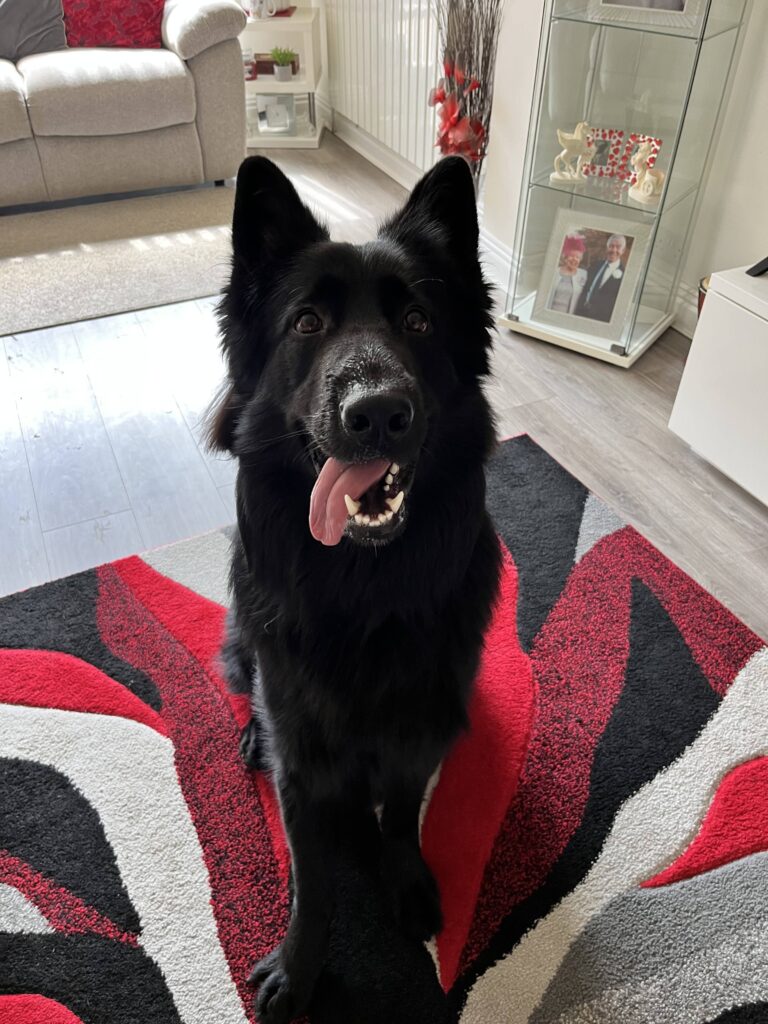

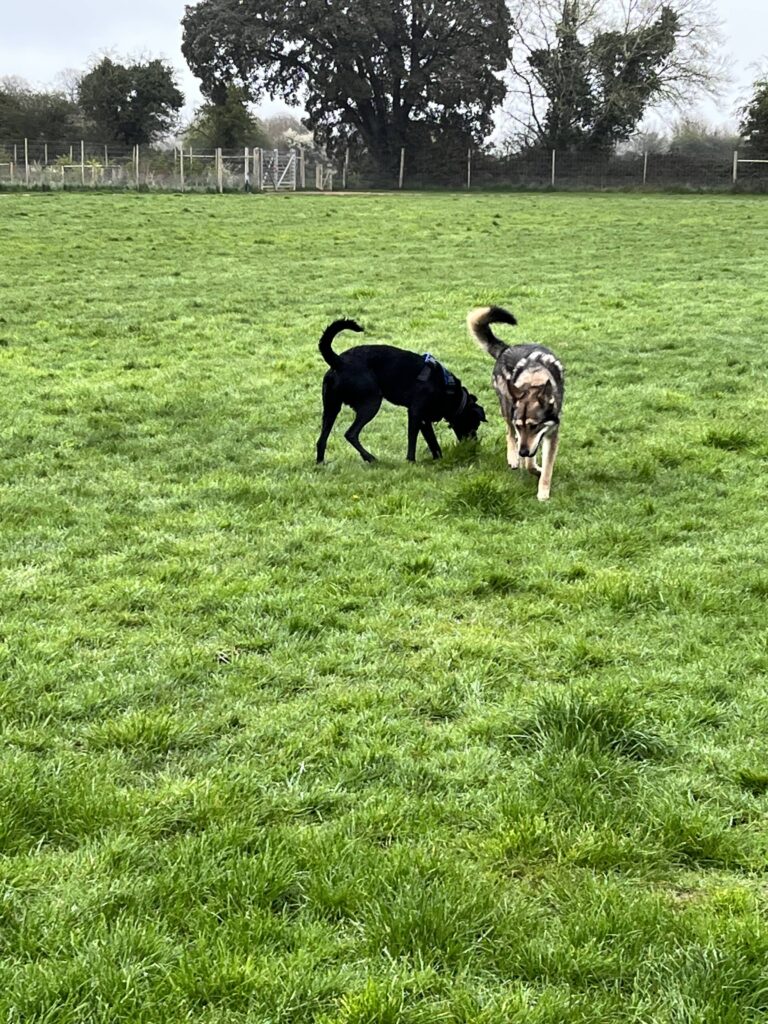
What is Reactivity Dog Training?
Reactivity dog training is a technique that focuses on teaching dogs to respond calmly and positively to stimuli that would usually trigger their reactive behaviour.
Reactivity dog training involves several techniques, including counterconditioning, desensitisation, positive reinforcement, and management.
- Counterconditioning is a technique that involves changing a dog’s emotional response to a trigger by associating it with positive experiences.
- Desensitisttion is a technique that involves gradually exposing the dog to the trigger in a controlled and safe environment.
- Positive reinforcement is a technique that involves rewarding the dog for desirable behaviour.
- Management is a technique that involves controlling the dog’s environment to prevent triggers and reduce the risk of reactive behaviour.
Reactivity dog training requires patience, consistency, and professional guidance to achieve the desired results. It is essential to seek help from a qualified trainer or behaviourist who can design a customised training plan to meet your dog’s specific needs.
The origins of Reactivity Training
Reactivity dog training is a relatively new development in the field of dog training, and it focuses on addressing reactive behaviour in dogs. The techniques used in reactivity dog training are based on principles of behaviour modification and positive reinforcement.
The origins of behaviour modification can be traced back to the early 20th century when psychologists such as Ivan Pavlov and B.F. Skinner began studying the behaviour of animals. Their research laid the foundation for modern behaviour modification techniques, which have been applied to various fields, including dog training.
Positive reinforcement, which is a central principle in reactivity dog training, has been used in dog training since the 1940s. The technique involves rewarding desirable behaviour to increase the likelihood of the behaviour being repeated in the future.
Overall, reactivity dog training has its roots in the principles of behaviour modification and positive reinforcement. The focus is on teaching dogs to respond positively to triggers that would usually trigger their reactive behaviour, using a combination of techniques such as counterconditioning, desensitisation, positive reinforcement, and management.
Reactivity Training Principles
Reactivity dog training involves several principles that are focused on teaching dogs to respond calmly and positively to triggers that would usually cause reactive behaviour.
The following are some of the key principles of reactivity dog training:
- Counterconditioning: This principle involves changing the dog’s emotional response to a trigger by associating it with positive experiences. For example, if a dog is reactive towards other dogs, the trainer may use treats or toys to create a positive association with the presence of other dogs.
- Desensitisation: This principle involves gradually exposing the dog to the trigger in a controlled and safe environment. The goal is to help the dog become more comfortable and less reactive to the trigger over time.
- Positive reinforcement: This principle involves rewarding the dog for desirable behaviour. For example, if a reactive dog remains calm in the presence of a trigger, the trainer may reward them with a treat or praise.
- Management: This principle involves controlling the dog’s environment to prevent triggers and reduce the risk of reactive behaviour. For example, if a dog is reactive towards strangers, the owner may keep them on a leash or behind a gate when visitors come to the house.
- Patience and consistency: Reactivity dog training requires patience and consistency to achieve the desired results. It may take time for the dog to learn new behaviours and overcome their reactive behaviour, but with consistent training and positive reinforcement, progress can be made.
These principles are applied in a customised training plan designed by a qualified trainer or behaviourist to meet the specific needs of the dog. With time, patience, and professional guidance, reactivity dog training can help dogs overcome their reactive behaviour and lead a more relaxed and fulfilling life.
The Benefits of Reactivity Dog Training
Reactivity dog training can have several benefits for both dogs and their owners.
Here are some of the benefits of reactivity dog training:
- Improved behaviour: Reactivity dog training can help dogs learn to respond calmly and positively to triggers that would usually cause reactive behaviour. This can lead to a reduction in barking, lunging, and other undesirable behaviours.
- Increased socialisation: Reactive dogs may be fearful or anxious around other dogs or people, which can limit their ability to socialise. Reactivity dog training can help dogs become more comfortable in social situations, leading to increased socialisation opportunities.
- Better communication: Reactivity dog training involves positive reinforcement and reward-based training, which can help improve communication between dogs and their owners. This can lead to a stronger bond and a better understanding of each other’s needs.
- Increased confidence: Reactive dogs may lack confidence in certain situations, which can lead to reactive behaviour. Reactivity dog training can help build a dog’s confidence and reduce their fear or anxiety.
- Safer interactions: Reactive dogs can be unpredictable and may pose a risk to other dogs or people. Reactivity dog training can help reduce the risk of aggressive behaviour and make interactions safer for everyone involved.
Reactivity dog training can help dogs overcome their reactive behaviour and lead a more relaxed and fulfilling life while also improving the relationship between dogs and their owners.
Reactivity Training Techniques and Tools
Reactivity dog training involves several techniques and tools that can help dogs learn to respond calmly and positively to triggers that would usually cause reactive behaviour.
Here are some of the most common techniques and tools used in reactivity dog training:
- Counterconditioning: This technique involves changing the dog’s emotional response to a trigger by associating it with positive experiences. For example, if a dog is reactive towards other dogs, the trainer may use treats or toys to create a positive association with the presence of other dogs.
- Desensitisation: This technique involves gradually exposing the dog to the trigger in a controlled and safe environment. The goal is to help the dog become more comfortable and less reactive to the trigger over time.
- Positive reinforcement: This technique involves rewarding the dog for desirable behaviour. For example, if a reactive dog remains calm in the presence of a trigger, the trainer may reward them with a treat or praise.
- Clicker training: Clicker training is a form of positive reinforcement training that uses a clicker to signal to the dog that they have performed a desirable behaviour. This technique can be used to reinforce calm behaviour in reactive dogs.
- Treat pouches: Treat pouches can be used to carry treats or toys during training sessions, making it easy to reward desirable behaviour quickly and consistently.
- Muzzles: Muzzles can be used to prevent a reactive dog from biting or injuring others. However, it is important to use muzzles correctly and to ensure that the dog is comfortable and not in distress.
These are just a few of the techniques and tools that can be used in reactivity dog training. It is important to work with a qualified trainer or behaviourist to develop a customised training plan that meets the specific needs of the dog. With time, patience, and consistency, reactivity dog training can help dogs overcome their reactive behaviour and lead a more relaxed and fulfilling life.
Remember, reactivity training is not a quick fix and requires time, patience, and consistency. However, with the right training plan and approach, you can help your dog overcome their reactive behavior and lead a more relaxed and fulfilling life.
Applying Reactivity Training in professional Dog Training?
Reactivity dog training can be an important part of professional dog training, especially for trainers who work with dogs that exhibit reactive behaviour.
Here are some tips for applying reactivity training in professional dog training:
- Assess the dog’s behaviour: Before starting reactivity training, it is important to assess the dog’s behaviour and identify the triggers that cause reactive behaviour. This will help you develop a customised training plan that meets the specific needs of the dog.
- Use positive reinforcement: Positive reinforcement training, such as rewarding the dog for calm behaviour in the presence of triggers, can be an effective way to help dogs overcome their reactive behaviour.
- Gradual exposure to triggers: Gradual exposure to triggers in a controlled and safe environment can help dogs become more comfortable and less reactive over time.
- Use appropriate tools: Harnesses, treat pouches, and other tools can be used to help manage the dog’s behaviour and reinforce positive behaviour.
- Work with the owner: It is important to work with the dog’s owner to ensure that they understand the training plan and can continue the training at home.
- Be patient and consistent: Reactivity training takes time and patience. It is important to be consistent with the training plan and reward desirable behaviour consistently.
- Monitor progress: Regularly monitor the dog’s progress and adjust the training plan as needed to ensure continued improvement.
By applying reactivity training in professional dog training, trainers can help dogs overcome their reactive behaviour and lead a more relaxed and fulfilling life. It is important to work with each dog on an individual basis and develop a customised training plan that meets their specific needs.
Reactivity Training as an Adjunct Therapy
Using Reactivity Training alongside other training methods?
Reactivity training can be used alongside other training methods to help dogs overcome their reactive behaviour.
Here are some tips for using reactivity training alongside other training methods:
- Identify the dog’s needs: It is important to identify the dog’s specific needs and behavior patterns before developing a training plan. This will help determine which training methods will be most effective.
- Use positive reinforcement: Positive reinforcement training, such as rewarding the dog for calm behaviour in the presence of triggers, can be an effective way to help dogs overcome their reactive behaviour. This can be used alongside other training methods, such as clicker training or obedience training.
- Be consistent: Consistency is key when using multiple training methods. It is important to ensure that the training methods used are consistent and do not conflict with each other.
- Monitor progress: Regularly monitor the dog’s progress and adjust the training plan as needed to ensure continued improvement.
Remember, every dog is unique and may respond differently to different training methods.
By using reactivity training alongside other training methods, trainers can help dogs overcome their reactive behaviour and lead a more relaxed and fulfilling life. It is important to work with each dog on an individual basis and develop a customised training plan that meets their specific needs.
Embracing the Power of Reactivity Training
Reactivity training can be a powerful tool for helping dogs overcome their reactive behaviour and lead a more relaxed and fulfilling life.
Here are some reasons why embracing the power of reactivity training can be beneficial:
- Improved quality of life: Reactive behaviour can be stressful for both the dog and the owner. By helping the dog overcome their reactive behaviour, they can enjoy a more relaxed and fulfilling life.
- Increased safety: Reactive dogs can be a safety risk to themselves and others. By helping the dog overcome their reactive behaviour, they can be safer and more manageable in a variety of situations.
- Better communication: Reactivity training can help improve communication between the dog and the owner. By establishing a foundation of positive reinforcement training, the owner can better understand the dog’s needs and behaviour patterns.
- Tailored training: Reactivity training can be customised to meet the specific needs of each dog. This allows for a more effective and efficient training plan that is tailored to the dog’s individual needs.
- Positive reinforcement: Reactivity training focuses on positive reinforcement, which can help create a positive association with triggers and encourage the dog to remain calm in the presence of triggers.
Embracing the power of reactivity training, trainers and owners can help dogs overcome their reactive behaviour and lead a more relaxed and fulfilling life. It is important to work with each dog on an individual basis and develop a customised training plan that meets their specific needs. With time, patience, and consistency, reactivity training can be a powerful tool for improving the lives of reactive dogs.